
Helping an anxious dog adjust to day care
By Clara Tan · Updated 2026-06-26
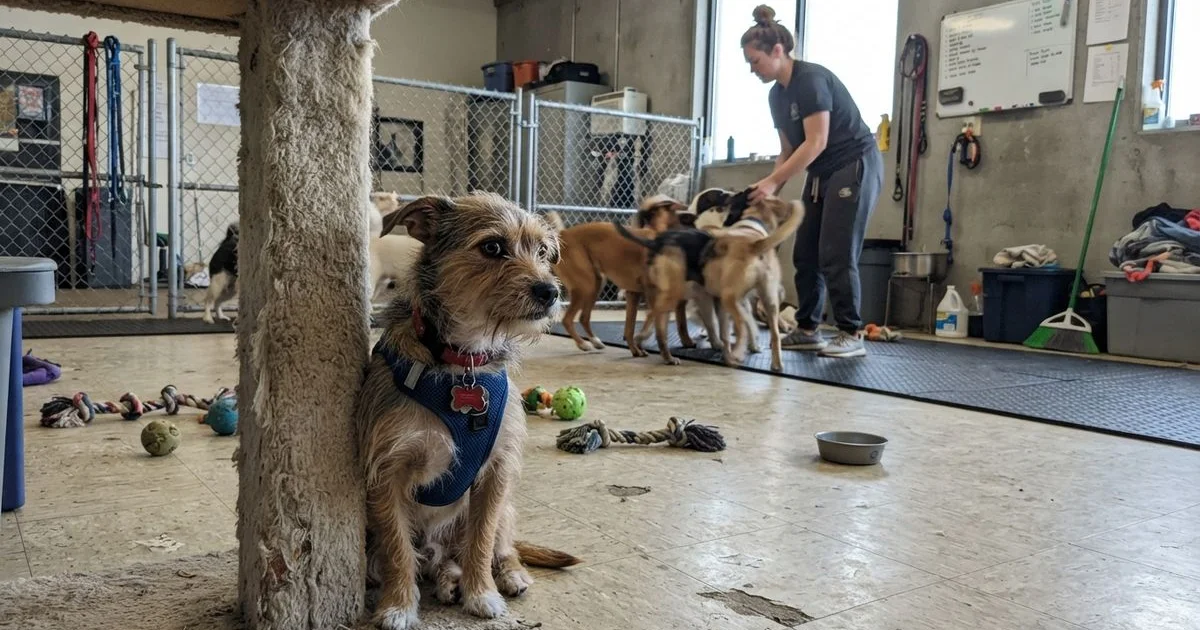
Some dogs walk into day care on day one like they own the place. Others need real time to settle in, and that doesn’t mean day care is automatically the wrong choice for them. A shy or nervous personality isn’t a red flag on its own; it just means the transition needs a bit more patience from you and from the facility. Knowing what normal adjustment looks like versus a genuine bad fit helps you make the call without giving up too early or pushing too hard.
Why some dogs take longer to settle in
Temperament plays a bigger role here than most owners expect. A dog who’s naturally cautious around new people or new environments, one who came from a shelter with an unknown history, or one who’s simply never spent much time around groups of other dogs is going to need more ramp-up time than a dog who grew up going to puppy classes and dog parks from an early age. None of that means group care is off the table, it just changes the pace that makes sense.
What normal adjustment looks like
A little extra tiredness, mild clinginess at home, or a bit of hesitation walking into the building for the first several visits is common and usually fades as your dog gets familiar with the routine, the staff, and the other dogs. Dogs are creatures of pattern, and anything new takes some getting used to, day care included.
Give it a real trial period, generally two to three weeks of consistent visits, before deciding it’s not working. A single rough day, especially the very first one, isn’t a reliable signal either way.
Ways to ease the transition
Start slow if the facility allows it. A half-day or two shorter visits before jumping into a full week can help an anxious dog build confidence gradually rather than all at once.
Keep the routine consistent. Same drop-off time, same morning routine at home, and the same person handling drop-off when possible all help a dog predict what’s coming, which lowers anxiety.
Bring something familiar. Some facilities allow a blanket or toy with your dog’s scent on it, which can help, though check the facility’s policy first since not all allow personal items in group play areas.
Ask about smaller groups. Some Durham centers offer a smaller, calmer group option or a more gradual introduction process specifically for dogs who find a big open room overwhelming. It’s worth asking directly rather than assuming your dog has to start in the biggest group.
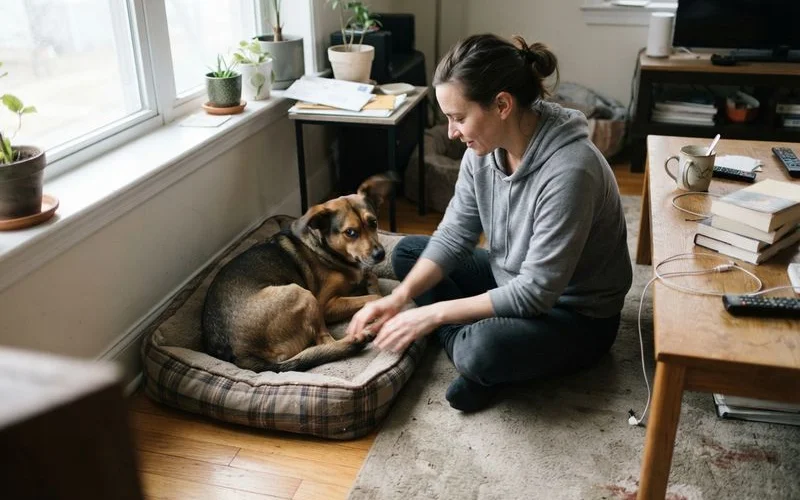
Talk to staff before the first visit, not after a bad one
Tell the facility upfront that your dog is on the nervous side, rather than waiting to see how the first day goes and mentioning it only if something seems off. Staff who know in advance can place your dog with a calmer sub-group from the start, keep a closer eye during introductions, and give you a more useful debrief at pickup than a generic “they did fine.” Ask specifically what they do differently for a dog flagged as anxious, since a facility with real experience here should have a concrete answer rather than a vague reassurance.
Adjustment vs a genuine bad fit
| Signal | Likely just adjustment | Worth taking seriously |
|---|---|---|
| Tiredness after visits | Common in the first few weeks | Ongoing exhaustion months in |
| Hesitation at drop-off | Normal early on, often fades | Persistent, worsening reluctance |
| Appetite | Occasional off-day is normal | Sustained appetite loss |
| Behavior at home | Slightly clingier for a bit | New destructive behavior or withdrawal that doesn’t improve |
If you’re seeing the right-hand column consistently after several weeks, it’s worth a direct conversation with the facility about how your dog is actually doing in the group, not just at drop-off and pickup, and whether a different group size or format might help.
When a different setup makes more sense
Not every dog thrives in a big open-play group, and that’s a completely normal outcome rather than a failure on your part or your dog’s. Some dogs do better with a smaller group, a quieter facility, a dog walker instead of day care, or one-on-one pet sitting. The goal is finding what actually works for your specific dog, not forcing a fit that isn’t there.
To compare current day care options in the area, start from the home page or browse day care and boarding facilities in Durham directly. See our methodology for how listings are evaluated.
FAQ
- Is it normal for a dog to seem stressed after the first few days of day care?
- Yes, to a point. Some initial nervousness or extra tiredness in the first week or two is common as a dog adjusts to a new routine and environment.
- How long should I give my dog to adjust before deciding day care isn't working?
- Most facilities and trainers suggest giving it two to three weeks of consistent visits before drawing conclusions, since a single hard day doesn't necessarily mean day care is the wrong fit.
- What signs suggest day care genuinely isn't right for my dog?
- Ongoing appetite loss, persistent reluctance to enter the building, or increasing rather than decreasing stress signals after several weeks are worth taking seriously and discussing with the facility or your vet.
- Can a smaller group help an anxious dog?
- Often, yes. Some facilities offer smaller group sizes or a slower, more gradual introduction, which can make a real difference for a dog who finds a big open room overwhelming.
Related on this site
- Browse daycare & boarding providers
- Best daycare & boarding in Durham, NC →
- What dog day care costs in Durham and what changes the price
- How to spot red flags and check safety practices before choosing a dog day care
- What to expect on your dog's first day of day care in Durham
- Returning to the office? How to get your dog ready for full-time day care
- All guides →