How to choose a dog walker in Durham: questions to ask before you hire
By Clara Tan · Updated 2026-05-29
Hiring someone to let themselves into your home and take your dog out is a bigger trust decision than most services you hire. A quick look at dog walkers listed in Durham shows a wide range of setups, from solo independent walkers to larger companies with app-based tracking, so it helps to know what to ask before you commit.
What to ask before hiring
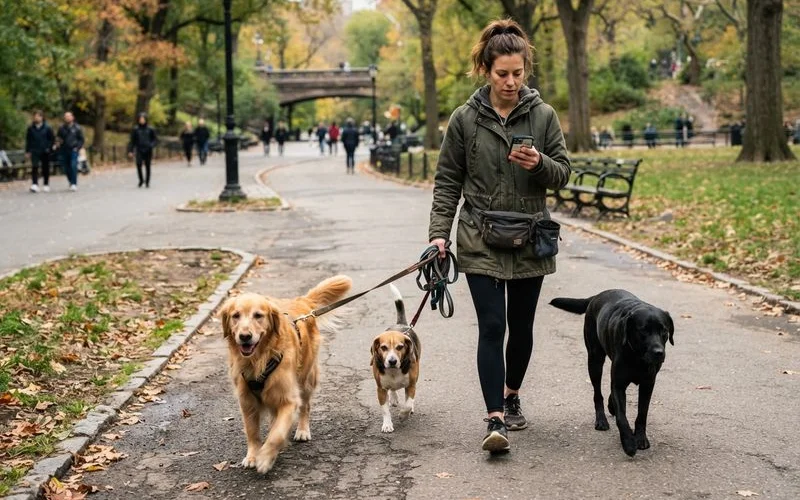
How are walks confirmed? GPS tracking with a start and end time is the standard now for reputable walkers. Ask whether you’ll get a route map, a photo, or just a text saying the walk happened, since the level of detail varies a lot between providers.
How is my key handled? If the walker needs house access, ask exactly how keys are stored, whether they’re labeled with your address, and who else has access to them. A lockbox or digital entry code is generally more secure than a physical key floating around with a company.
What happens if my dog is injured or gets loose? This should have a clear, rehearsed answer, not an awkward pause. Ask what the walker does immediately, how fast you’re notified, and whether they carry liability coverage for exactly this situation.
Is the same person walking my dog each time? Consistency matters for dogs that take time to warm up to new people. Ask whether you’ll have one regular walker or a rotating pool, and how substitutions are communicated.
What’s the cancellation and no-show policy? Ask both directions: what happens if you need to cancel last minute, and what happens if the walker misses a scheduled visit.
Comparing your options
| What to compare | Why it matters |
|---|---|
| GPS tracking and reporting | Confirms the walk happened as scheduled |
| Key or entry handling | Affects your home’s security, not just the walk itself |
| Consistency of walker | Matters more for anxious or slow-to-warm-up dogs |
| Insurance and bonding | Covers you if something goes wrong during the walk |
| Group vs solo walks | Solo walks cost more but avoid the unpredictability of mixed groups |
| Scheduling flexibility | Some walkers require weekly commitments; others take one-off bookings |
Red flags to watch for
A walker who’s vague about insurance, hesitant to provide references, or unwilling to do a meet-and-greet before the first walk is worth passing on. So is anyone who can’t clearly explain what they’d do if your dog got loose or injured mid-walk. These aren’t unreasonable questions, and a professional walker should expect them.
Slow response times before you’ve even hired anyone are also worth noting. A walker who takes days to reply to an initial inquiry, or who’s vague about scheduling and availability upfront, often carries that same pattern into the working relationship once you’re a paying client.
Setting up the first walk
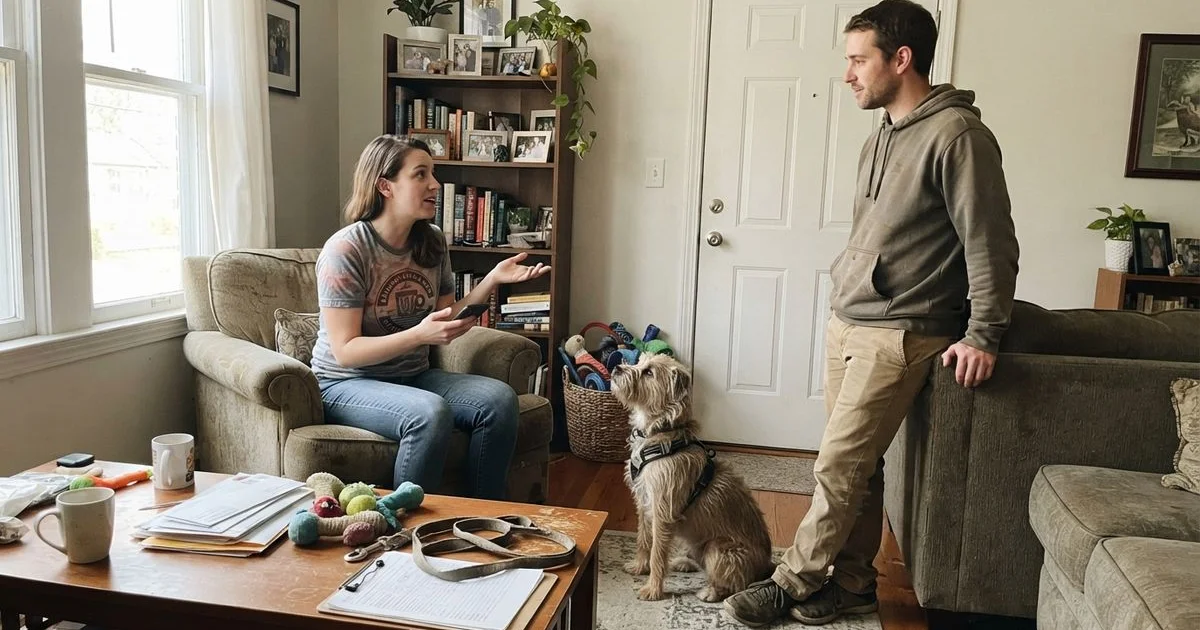
Most reputable walkers or walking companies offer a meet-and-greet before the first paid walk, either free or for a reduced rate. Use that visit to watch how the walker interacts with your dog, confirm they’re comfortable with your dog’s leash manners and energy level, and walk through your home’s specific quirks: which door to use, where the leash and treats are kept, anything your dog reacts to on the usual route.
Once you’ve settled on someone, keep an eye on the first few walks through GPS reports or photos before scaling back to checking in less often. Most walker relationships settle into a steady rhythm within the first two or three weeks.
Consider starting with a shorter trial period, a couple of weeks of regular walks, before committing to a longer package or a discounted bulk rate. It’s easier to switch walkers early on than after you’ve prepaid for a few months of visits, and most reputable providers understand wanting to test the fit first.
Once you’ve settled into a routine, revisit the arrangement occasionally rather than assuming it’ll stay perfect forever. A walker who was a great fit for a young, high-energy dog might need to adjust their approach as your dog ages or their needs change, and a quick check-in every few months keeps that conversation open.
For a broader look at current options, start from the home page, and see our methodology for how we evaluate the walkers and services listed here.
FAQ
- Should a dog walker be insured and bonded?
- Yes, and it's worth asking directly rather than assuming. Bonding covers theft or property damage; liability insurance covers injury to your dog or a third party during the walk.
- Does a dog walker need a key to my home?
- Most do, since they let themselves in for the walk. Ask how keys are stored and labeled, and whether the company uses a lockbox or key-management system rather than walkers carrying labeled house keys.
- How do I know a walker is actually showing up?
- GPS-tracked walks with a start and end time, plus a photo or note sent after each visit, are the most reliable way to confirm a walk happened as scheduled.
- Is a solo walker or a walking company better?
- Neither is automatically better. A solo walker often means more consistency with the same person; a company usually means backup coverage if your regular walker is out.