
Vaccines, kennel cough, and illness prevention in group dog care
By Clara Tan · Updated 2026-06-12
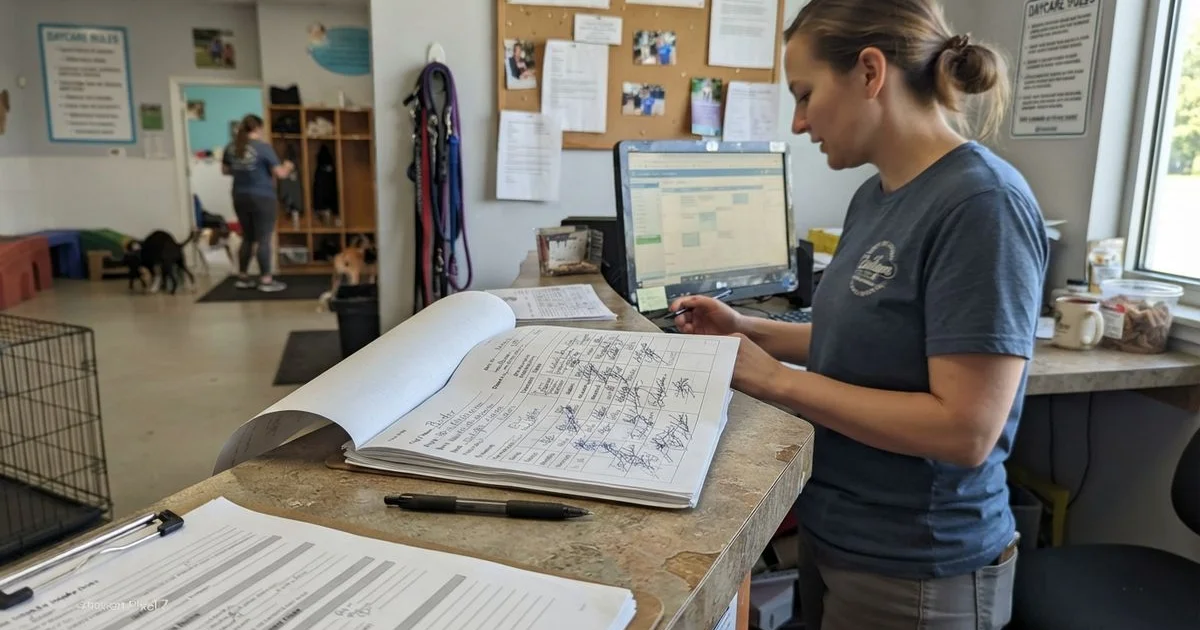
This is general information about illness prevention in group dog care, not veterinary advice. Talk to your vet about your dog’s specific vaccine schedule and health needs before enrolling in day care.
Putting several unrelated dogs in the same room every day creates real exposure risk, the same way a preschool classroom does for kids. Reviews across Durham facilities mention occasional kennel cough outbreaks, which is a normal risk of group care rather than a sign any one facility is doing something wrong. What matters is how seriously a facility takes prevention and how they handle it when a case shows up.
What vaccines day cares typically require
Almost every facility listed under veterinarians in Durham and every day care in the area will ask for proof of rabies and distemper-parvo (DHPP) vaccination at minimum, with the Bordetella vaccine required by most group care providers specifically because it targets kennel cough. Some facilities also ask for a negative fecal test or proof of flea and tick prevention. Requirements vary by facility, so confirm the exact list before your dog’s first visit rather than assuming your regular vet visit schedule covers everything a day care wants.
Talk to your vet about timing. Some vaccines take a week or two to reach full protection, so scheduling your dog’s shots right before their first day care visit doesn’t give much of a head start.
Keep a copy of your dog’s vaccine records on hand, whether that’s a physical card from your vet or a photo saved on your phone. Some facilities will call your vet directly to verify, but many rely on you bringing documentation, and having it ready speeds up your dog’s first visit considerably.
How illness actually spreads in group settings
Kennel cough and canine influenza both spread through close contact, shared water bowls, and airborne droplets, which is exactly the environment an open play group creates. A dog can carry and spread kennel cough for a short window before showing any symptoms, which is part of why outbreaks happen occasionally even at well-run facilities with vaccinated dogs. Vaccination lowers the odds and severity; it doesn’t make a group setting risk-free.
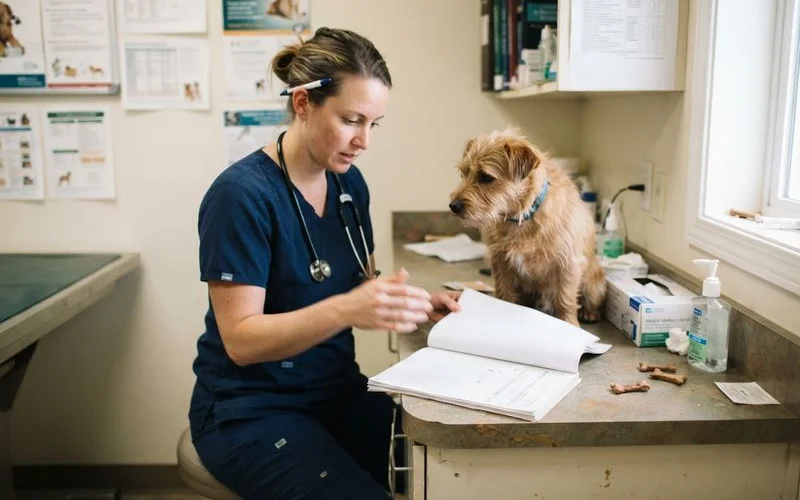
What to ask a facility about prevention
| Question | Why it matters |
|---|---|
| What vaccines do you require, and do you verify records? | Facilities that don’t check records consistently are a weaker barrier against outbreaks |
| What’s your policy if a dog shows symptoms mid-day? | A fast isolation response limits how many other dogs get exposed |
| Do you notify other clients if there’s an active outbreak? | Transparency lets you make an informed call about whether to bring your dog in that week |
| How often are play areas and bowls cleaned? | Shared surfaces are a common transmission point |
| Will you turn away a dog that seems off at drop-off? | A facility willing to say no at the door is taking prevention seriously |
Your part as an owner
The single biggest thing owners can do is keep a symptomatic dog home, even for something that looks minor like an occasional cough. It’s tempting to bring a dog in anyway when you have a work deadline, but one contagious dog in an open play group can expose many others in a single afternoon. If your dog develops a cough, runny nose, or lethargy within a few days of a group care visit, call your vet and let the facility know, since they may want to alert other clients.
Staying current on vaccines, confirming a facility’s cleaning and isolation practices, and being honest about symptoms are the three things within your control. None of it eliminates risk entirely, but together they meaningfully lower it. Pair these prevention questions with the safety checklist guide, which covers other red flags worth checking before you enroll.
If your dog does get sick
Most kennel cough cases are mild and resolve within a week or two with rest, though your vet may prescribe something to ease symptoms or check for a secondary infection if it lingers. Keep your dog home from any group setting until they’re fully clear, not just until they seem a little better, since a dog can still be contagious even as symptoms fade. If your dog has an underlying health condition, is a puppy, or is a senior, mention that to your vet promptly, since illness that’s mild in a healthy adult dog can hit these groups harder.
For a broader look at how facilities in this area are evaluated, see our methodology, or start from the home page to compare current options.
FAQ
- What vaccines do most day cares require?
- Rabies, distemper-parvo (DHPP), and Bordetella are the most commonly required across Durham facilities, since these address the illnesses most likely to spread in a group setting.
- How far ahead should I get my dog vaccinated before starting day care?
- Ask your vet, since some vaccines need a week or two to take full effect. Booking your dog's day care assessment a few weeks after their vaccine appointment gives protection time to build.
- Can a healthy-looking dog still spread kennel cough?
- Yes. Dogs can carry and spread kennel cough for a short window before symptoms show, which is part of why group settings see occasional outbreaks even among vaccinated dogs.
- Should I keep my dog home if they seem slightly off?
- Generally yes. Facilities depend on owners being honest about symptoms, even mild ones, since one contagious dog in an open play group can affect many others quickly.