
Bringing home a rescue or reactive dog: how training and day care fit in
By Clara Tan · Updated 2026-06-23
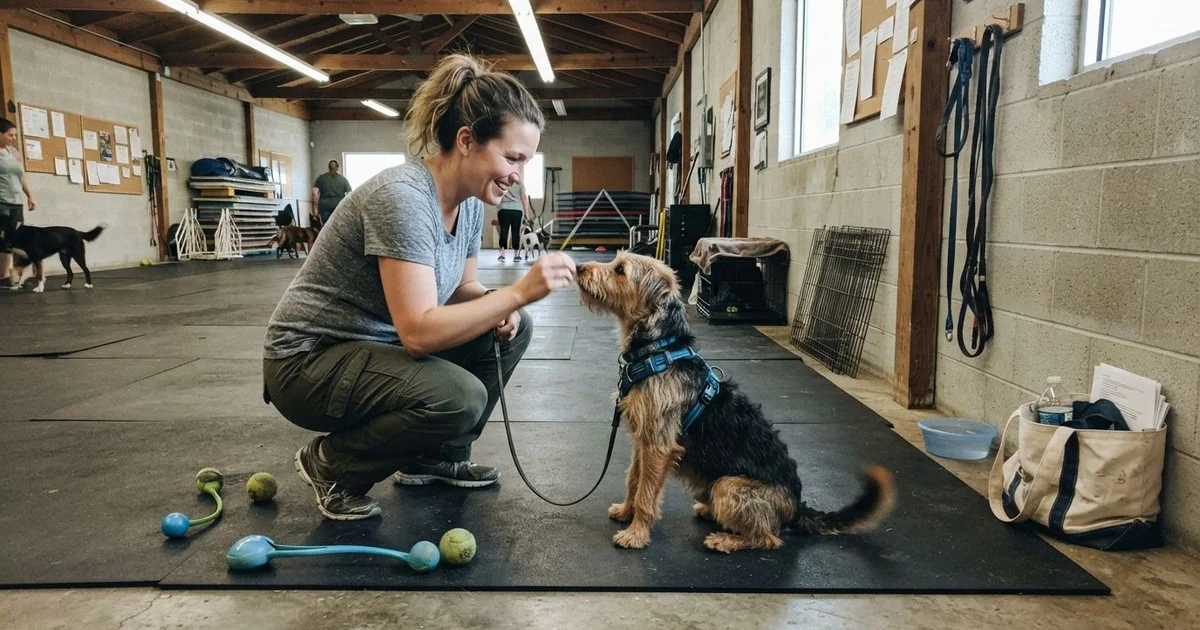
A rescue dog, especially one with an unknown or difficult history, often needs a different starting point than a puppy raised from eight weeks old. Reviews of trainers in the Durham area consistently point to real results with behavior-specific work, individualized attention, and trainers who take the time to understand each dog’s particular triggers rather than running a one-size-fits-all program.
Give it time before you judge behavior
Rescue organizations often talk about a decompression period, typically a few weeks, where a newly adopted dog is still adjusting and may not show their real personality yet. A dog who seems shut down or, conversely, unusually reactive in the first couple of weeks may settle considerably once they’re comfortable. That said, don’t wait indefinitely if you’re seeing concerning behavior like resource guarding or aggression toward people or other pets; a trainer with behavioral experience can help you figure out what’s adjustment and what needs active intervention.
Why day care usually isn’t the first step
It’s tempting to sign a new rescue up for group day care right away, especially if you need coverage while you’re at work. But an unfamiliar dog thrown into an open play group before they’ve had time to settle, and before you know their triggers, is a setup for a bad experience for your dog and the others in the group. Individualized training first, to build basic skills and understand your dog’s specific reactions, generally sets up a much better outcome if group care becomes a goal later.
If you genuinely need daytime coverage right away, a dog walker or an in-home pet sitter is usually a gentler option than group day care for a dog still settling in. Both let your dog stay in the calm, familiar environment of your home rather than adding a brand-new group of dogs and people into an already overwhelming stretch.
What to look for in a trainer
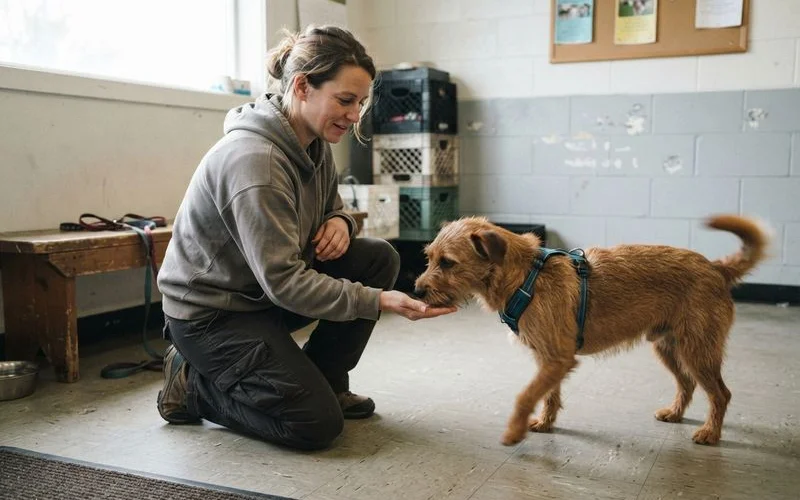
Programs listed under dog training in Durham include trainers who specialize in behavior work, not just basic obedience, and that distinction matters a lot for a rescue with an unknown history. Ask specifically:
- Have they worked with dogs with a similar history or presenting issue (fear, reactivity, resource guarding)?
- What’s their general approach, and can they explain it in plain terms?
- What does a realistic timeline look like, and how do they measure progress?
- Do they offer any follow-up support once the formal sessions end?
A trainer who gives vague or overly fast timelines for a genuinely difficult case is worth a second opinion. Real behavior change with a rescue dog usually takes weeks to months of consistent work, not a single weekend. Private, one-on-one sessions typically cost more per visit than group classes; the training cost guide breaks down how the different formats are priced.
It’s also worth asking directly about their approach to fear-based behavior specifically, since a rescue dog’s reactivity often comes from fear rather than aggression on its own, and the two call for different handling. A trainer who can explain that distinction clearly, and describe how their approach differs for a fearful dog versus a genuinely aggressive one, is generally speaking from real experience rather than a general script.
A rough sequence that tends to work
| Stage | Focus |
|---|---|
| Settling in (first couple of weeks) | Routine, low-pressure exposure, no major new experiences yet |
| Foundational training | Basic skills, building trust with you, identifying specific triggers |
| Targeted behavior work | Addressing reactivity, fear, or resource guarding directly with a trainer |
| Controlled socialization | Small, carefully matched introductions to new dogs, not a full group setting |
| Group care, if appropriate | Only once your dog has shown consistent comfort in smaller, controlled settings |
Not every dog reaches that last stage, and that’s fine. Some dogs do better with one-on-one care, a trusted walker, or a quiet home routine for the long term, and a good trainer will tell you honestly if that looks like the better path for your dog rather than pushing toward group care as a default goal.
To see current training programs and read recent reviews, start from the home page, and check our methodology for how providers are evaluated on this site.
FAQ
- How long should I wait before starting training with a new rescue dog?
- Many trainers suggest a short settling-in period, often a couple of weeks, before starting formal work, but this varies a lot by dog. A trainer experienced with rescues can help you judge the right timing for yours.
- Is group day care a good fit for a reactive dog?
- Not right away, and sometimes not at all. Group care usually isn't the starting point for a reactive dog; individualized training to build confidence and skills typically comes first.
- What should I look for in a trainer for a fearful or reactive dog?
- Experience specifically with behavioral cases, not just basic obedience, along with a clear, patient explanation of their approach and realistic expectations about timeline.
- Will my rescue dog ever be able to do group day care?
- Many dogs improve significantly with the right training and can eventually handle small, well-matched groups, but there's no guarantee, and some dogs do better with one-on-one care long-term.