
What dog training costs in Durham: private lessons vs group classes
By Clara Tan · Updated 2026-06-05
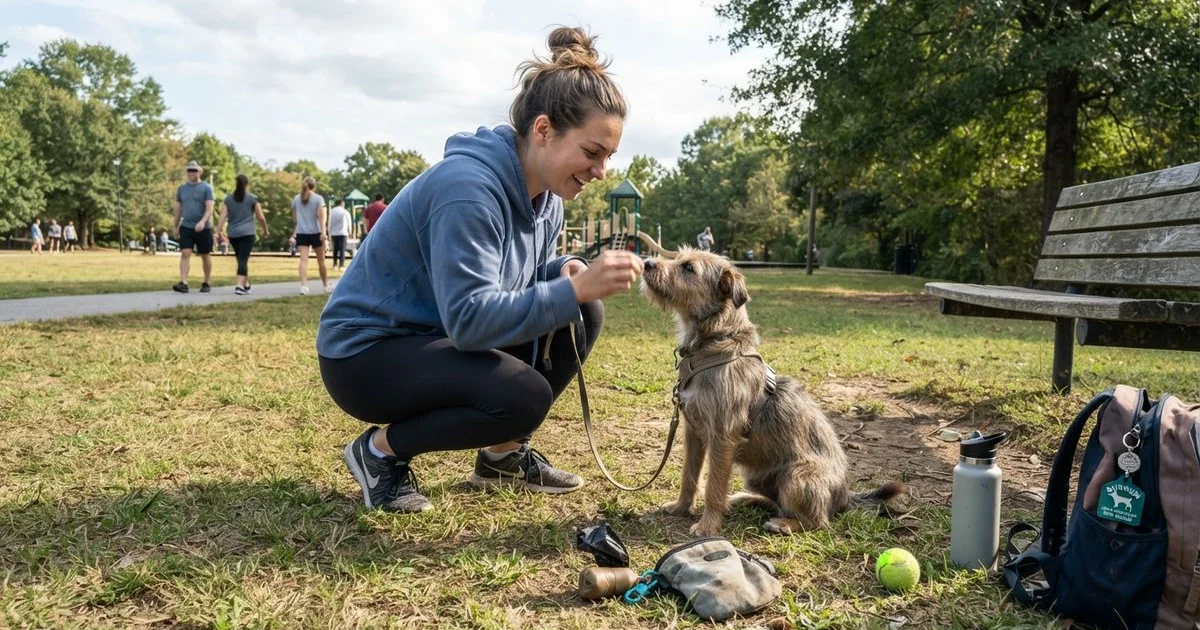
Dog training pricing in Durham spans a wide range, mostly because “training” covers very different services: a single private session, a multi-week group series, or a board-and-train program where your dog stays with the trainer. Knowing which format fits your goals makes the cost easier to evaluate.
Programs listed under dog training in Durham run the gamut from puppy foundations to behavior-specific work, so start by figuring out what you actually need before comparing prices.
The three main formats
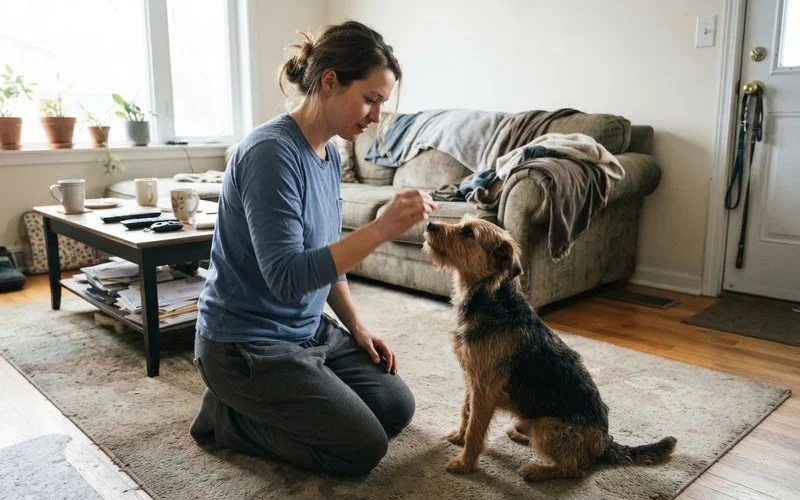
Private lessons. One-on-one sessions with a trainer, usually at your home or a neutral location. This is the most expensive format per session, but it’s also the most flexible for addressing a specific problem like leash reactivity or resource guarding, since the trainer’s full attention is on your dog.
Group classes. Multiple dogs and owners working through the same curriculum together, typically sold as a multi-week series rather than single sessions. This is usually the most affordable per-session option and doubles as socialization practice, since your dog works around distractions from other dogs.
Board-and-train. Your dog stays with the trainer for a set period, often one to three weeks, while the trainer handles the bulk of the repetition. This carries the highest total cost of the three formats because it includes lodging and full-time professional attention, but it compresses a longer training timeline into a shorter window.
Beyond these three, some trainers also offer virtual or phone consultations for owners who want guidance on a specific issue without committing to a full program yet, and puppy-specific packages that bundle a few private sessions with a group socialization class. Neither is a full substitute for a structured program, but both can be a lower-cost way to figure out whether you need more intensive help.
What changes the price within each format
| Factor | Effect on price |
|---|---|
| Session length | Longer sessions cost more per visit |
| Program length (weeks or sessions included) | Multi-week packages usually cost less per session than single bookings |
| Trainer credentials | Certified trainers with specialized behavioral experience often price higher |
| Behavior complexity | Reactivity or aggression work typically costs more than basic obedience |
| Location | In-home sessions sometimes carry a travel fee compared to studio-based classes |
Matching format to goal
If your dog needs foundational manners like sit, stay, and loose-leash walking, group classes usually get you there for less money while adding real-world socialization. If you’re dealing with a specific behavioral issue, private lessons let a trainer focus entirely on that problem instead of splitting attention across a group. Board-and-train makes the most sense when your schedule genuinely doesn’t allow for consistent practice at home, since even the best compressed program still needs some reinforcement once your dog comes back.
It’s worth asking any trainer directly what method they use and what a typical program includes session by session, since “training” isn’t standardized the way, say, a haircut is. Two providers charging similar prices can offer very different levels of follow-up support after the program ends.
Age matters too. A young puppy working on basic manners and socialization is a different, generally shorter and less expensive project than an adult dog with an established behavior problem that’s had months or years to become a habit. If you’re comparing quotes and one is a good deal higher, ask whether it reflects a longer program built around a more complex issue rather than assuming you’re being overcharged.
Before you commit
Ask about what happens after the paid sessions end: is there a follow-up check-in, written homework, or ongoing support if the behavior slips? A program that ends training the moment the invoice is paid isn’t necessarily bad, but it does mean more of the maintenance work falls on you afterward.
Also ask what’s expected of you between sessions. Some programs require daily practice for results to stick, while others are more forgiving of an inconsistent schedule. Knowing this upfront helps you judge whether a lower-priced program that assumes heavy owner involvement, or a higher-priced one that does more of the work for you, actually fits your available time.
To compare current programs and read recent reviews, start from the home page, and see our methodology for how training providers are evaluated on this site.
FAQ
- Is private training more expensive than group classes?
- Generally yes, since you're paying for one-on-one time with a trainer. Group classes spread the trainer's time across several dogs and owners, which usually brings the per-session cost down.
- What's included in a typical group class package?
- Most programs sell a multi-week series, often 4-8 sessions, rather than single drop-in classes, since foundational skills build week over week.
- Is board-and-train worth the higher cost?
- It depends on your schedule and your dog's needs. Board-and-train compresses training into a shorter window with a professional handling most of the repetition, but you'll still need to reinforce the work at home afterward.
- Do training costs vary by method?
- Yes. Trainers using different approaches, whether reward-based or a mixed method involving tools, sometimes price differently based on program length and the credentials behind their approach.